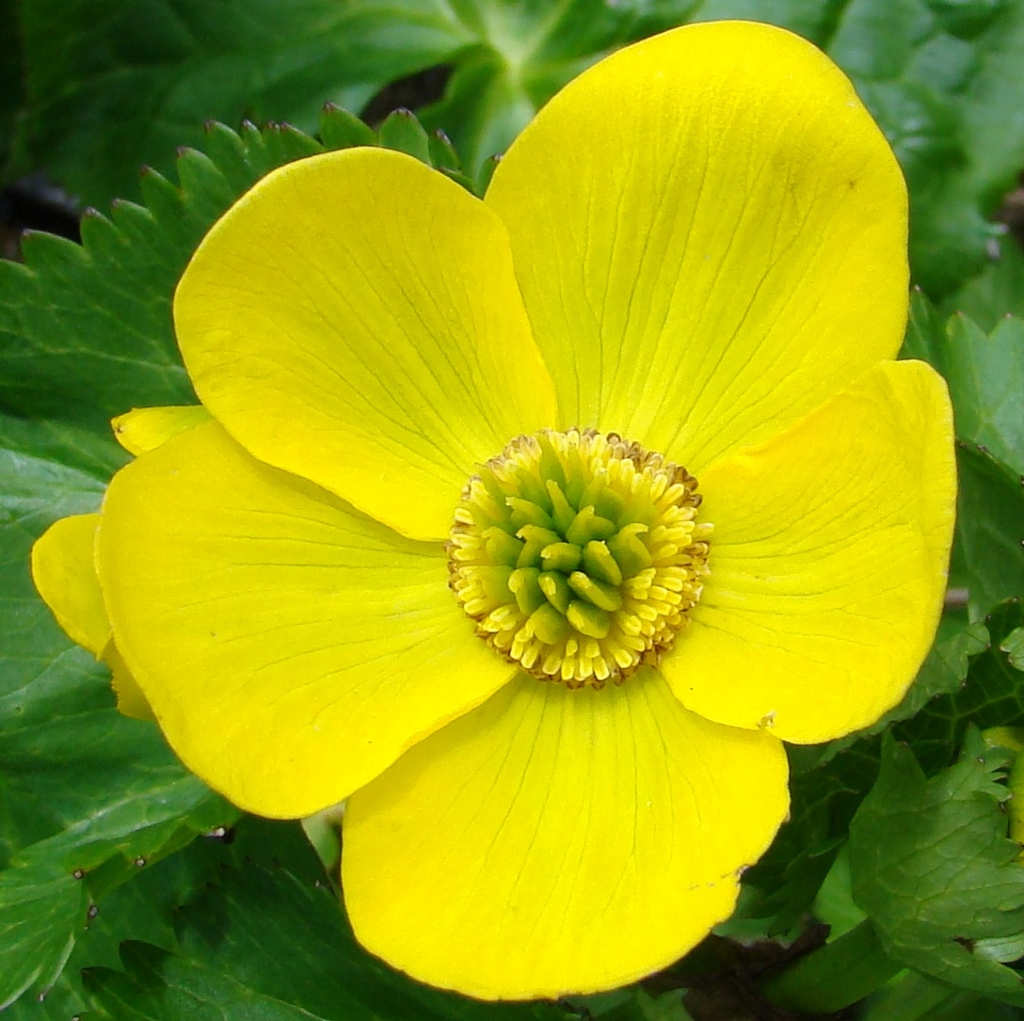
The Himalayas boast immense biodiversity, featuring flora that transitions from tropical forests in the foothills to temperate, alpine forests, and meadows at higher altitudes. Key species include orchids, rhododendrons, oak, pine, Brahma Kamal, and medicinal herbs like seabuckthorn, thriving across varied elevations and seasons.
Ceylon ironwood (Mesua ferrea) is found on porous soils at elevations between 600 and 2,400 feet (180 and 720 meters); bamboos grow on steep slopes; oaks (genus Quercus) and Indian horse chestnuts (Aesculus indica) grow on the lithosol (shallow soils consisting of imperfectly weathered rock fragments), covering sandstones from Arunachal Pradesh westward to central Nepal at elevations from 3,600 to 5,700 feet (1,100 to 1,700 meters).
Alder trees (genus Alnus) are found along the watercourses on the steeper slopes. At higher elevations those species give way to mountain forests in which the typical evergreen is the Himalayan screw pine (Pandanus furcatus). Besides those trees, some 4,000 species of flowering plants, of which 20 are palms, are estimated to occur in the eastern Himalayas.